The Future of Home Design: Creative Modern Roof Lanterns You Must to View
The future of home design is steadily determined by innovative modern roof lanterns. These architectural features enhance natural light and introduce smart technology for improved climate control. As trends shift, modern angles and sustainable materials come to the forefront, pointing to a shift overview toward better wellness environments. Understanding the complex advantages and applications of roof lanterns can transform how spaces are utilized. What implications do these advancements have for the homes of tomorrow?
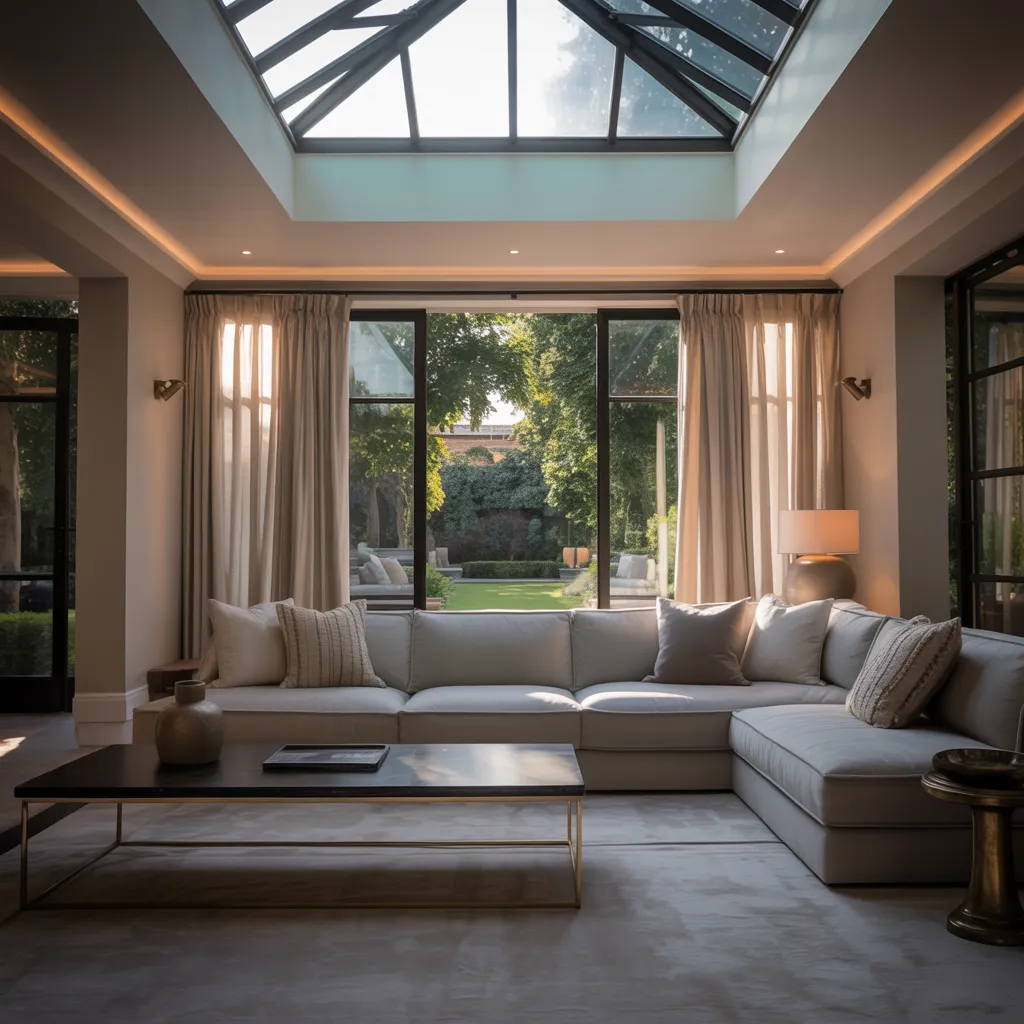
The Benefits of Current Roof Lanterns
Contemporary roof lanterns supply an abundance of benefits that elevate both the visual character and functionality of spaces. These architectural features operate as remarkable focal points, facilitating natural light to flood interiors, which can instill a sense of openness and warmth. By improving daylight penetration, roof lanterns minimize reliance on artificial lighting, thereby championing energy efficiency.
Additionally, they can improve airflow when constructed with operable features, leading to a healthier indoor environment. The implementation of high-quality materials guarantees strength and easy upkeep, turning roof lanterns a practical investment.
In beyond their functional advantages, these structures can elevate the overall design of a home, blending seamlessly with various design approaches. By incorporating modern roof lanterns, homeowners can enjoy the dual benefits of enhanced aesthetics and better energy efficiency, making them a favored option in contemporary design.
Stunning Design Movements for Roof Lanterns
As dwellers actively seek to blend visual design with practicality, innovative design trends for roof lanterns are surfacing to satisfy these demands. One key trend is the use of geometric shapes, which adds a up-to-date flair to traditional designs. These geometric configurations not only boost visual charm but also amplify natural light. In addition, nature-based design concepts are gaining traction, weaving in natural substances like wood and stone to create a harmonious integration between interior and exterior spaces.
A further trend is the integration of smart technology, enabling adjustable lighting and climate control, strengthening both accessibility and energy efficiency. Tailored color alternatives are also surging in popularity, empowering homeowners to personalize their lanterns to align with specific design preferences. In summary, minimalist designs are gaining momentum, focusing on clean lines and understated style, which resonate among modern outlooks while retaining functionality. Taken together, these trends are reimagining how roof lanterns are experienced and employed in contemporary home design.
Picking the Correct Roof Lantern to Enhance Your House
In what way can homeowners select the perfect roof lantern that matches their distinctive aesthetic and practical needs? First, they should take into account the design aesthetic of their home. A contemporary lantern might suit a contemporary space, while a more classic design could improve a classic home. Next, evaluating the purpose is significant; whether for natural light, ventilation, or visual beauty, the chosen lantern should meet specific requirements.
Size also plays a important role. A bigger lantern may create a eye-catching focal point, whereas a smaller one might integrate seamlessly into the existing structure. Homeowners should assess their local climate, as well, since this can influence material choices and insulation needs. Finally, it’s essential to keep energy efficiency in mind; opting for double-glazed options can boost insulation while reducing energy costs. By weighing these factors, homeowners can confidently choose a roof lantern that enhances both form and function in their living space.
Modern Materials in Roof Lanterns
A variety of innovative materials are transforming the design and performance of roof lanterns. Contemporary roof lanterns increasingly utilize materials such as structural glass, which offers enhanced durability and clarity, allowing for maximized natural light. The use of aluminum in frames provides a lightweight yet sturdy structure, able of enduring various weather conditions while minimizing maintenance needs. Furthermore, polycarbonate panels are growing in popularity due to their impact resistance and energy efficiency, making them a practical alternative to traditional glass.
Moreover, advancements in surface treatments, such as self-cleaning or solar-reflective options, are contributing to the longevity and effectiveness of these installations. These materials not only enhance aesthetic attractiveness but also enhance overall satisfaction, making certain that roof lanterns are both functional and elegant. As these innovations continue to progress, they are creating new standards in the domain of home design, particularly in natural light integration.
Enhancing Power Savings Using Ceiling Skylights
Roof lanterns substantially improve energy efficiency in modern homes by maximizing natural light and cutting down on reliance on artificial lighting. By allowing sunlight to flood living spaces, these architectural features diminish the need for electric lighting during the day, leading to lower energy consumption. The strategic placement of roof lanterns can illuminate entire rooms, creating bright, welcoming environments without the added expenses of electrical illumination.
Furthermore, numerous contemporary roof lanterns are built with energy-efficient glazing, which supports maintain indoor temperatures by reducing heat loss. This characteristic enhances overall energy savings, as reduced heating or cooling demands can markedly lower utility bills. Additionally, the increased natural light can improve residents' health, promoting a more comfortable living environment. To summarize, roof lanterns serve not only as aesthetic enhancements but also as practical solutions for energy efficiency in modern home design.

Creative Methods to Utilize Roof Lanterns at Home
Natural light enhances energy efficiency and opens up a world of creative possibilities for home design. Roof lanterns function as striking architectural features that can revolutionize any space. In living areas, they can create a bright center of attention, elevating the overall atmosphere while permitting an uninterrupted view of the sky.
In kitchens, roof lanterns illuminate work areas, making them more welcoming for family gatherings and culinary creations. They can also be used in sleeping quarters, where they establish a serene ambiance, perfect for relaxation.
Homeowners can install roof lanterns into exterior areas, such as patios or garden rooms, dissolving the line between indoor and outdoor living. Additionally, deliberately positioning roof lanterns above stairs or passages can bring warmth and depth to otherwise dark areas. Ultimately, the innovative use of roof lanterns can reshape how natural light is embraced in modern homes.
Maintenance Guidelines for Roof Lanterns
Maintaining roof lanterns is crucial for preserving their aesthetic appeal and functionality. Regular cleaning is vital; homeowners should use a mild cloth with gentle soap solution to remove debris and film from the glass panels. It is advisable to eschew rough cleaning agents that can scratch the glass. Also, inspecting the seals and frames periodically secures that there are no seepage or construction concerns. If any damage is found, rapid restoration work can prevent further deterioration.
In addition, removing the area near the lantern from debris such as leaves or branches maintains drainage and airflow. It is advisable to monitor for signs of deterioration on any electrical components, such as lights or wiring. Finally, regular seasonal maintenance, particularly before winter, can protect the roof lantern from harsh weather conditions, ensuring its longevity and continued performance. Adopting these tips will keep roof lanterns looking magnificent while maximizing their functional benefits.
Often Asked FAQs
What Is the Average Price of Modern Roof Lanterns?
Modern roof lanterns usually cost between £500 and £2,500, based on size, material, and design complexity. Installation expenses may also vary, influencing the overall budget for homeowners contemplating this architectural enhancement.
Are roof lanterns able to be installed on older Roofs?
Yes, ceiling skylights can be placed on pre-existing roofs, provided that the structure can handle the added weight. Specialist inspection is suggested to ensure seamless fitting and conformance with local building regulations for ideal operation and protection.
What Determines the Superior Alignment for Roof Lanterns?
An excellent orientation for roof lanterns is facing south, optimizing sun exposure throughout the day. This positioning enhances natural light, improves energy efficiency, and produces a warm, inviting atmosphere within the interior underneath.
Are Roof Lanterns Fitting with Every Climate?
Roof lanterns typically work well for multiple climates, though considerations like insulation, air circulation, and weatherproofing are essential. Proper installation guarantees good function in both hot and cold environments, boosting daylight and visual appeal.
In What Ways Do Roof Lanterns Effect Home Resale Value?
Roof lanterns can enhance home resale value by enhancing natural light and aesthetic appeal. Their sleek appearance often attracts buyers, potentially resulting in increased bids and quicker sales in active housing markets.